Physiotherapy
Designed to move you forward with confidence.
Conditions We Treat
-
These are the physical discomfort or stiffness along the spine that acts as an alarm for overtaxed muscles, nerves, or bones. It is primarily caused by mechanical strain, such as heavy lifting, or structural wear like compressed discs. Additionally, daily habits like poor posture and emotional stress frequently trigger chronic tension in these areas.
-
Sports injuries are physical damages to the body—ranging from sudden trauma to gradual wear—that occur during exercise or athletic competition. They are typically caused by accidents, poor training techniques, improper gear, or overtraining that pushes the body beyond its current limits. Common examples include ACL tears, concussion, tennis elbow, shin splints, and hamstring strains.
-
Office work injuries treated by physiotherapists typically stem from prolonged sitting, poor workstation ergonomics, and repetitive strain, often resulting in musculoskeletal disorders (MSDs). These injuries are usually not caused by a single traumatic event, but rather develop gradually from consistent, repetitive loads on muscles, tendons, and nerves. Examples include RSI, tech neck, headaches, upper body pain
-
Joint injuries are damages to the areas where two or more bones meet, resulting in pain, swelling, and a restricted range of motion. These injuries are typically caused by high-impact collisions, repetitive "wear and tear" motions, or sudden directional changes that force the joint out of its normal alignment. Common examples include dislocations, meniscus tears in the knee, bursitis (inflammation of the joint's cushioning sacs), and labral tears in the hip or shoulder.
-
Muscle strains and ligament sprains are soft tissue injuries involving painful overstretching or tearing of "cables" in the body: muscles or tendons for strains, and ligaments for sprains. They are generally caused by sudden twists, falls, or forceful impacts that push a joint or muscle beyond its natural range of motion. Common examples include rolled ankles, pulled hamstrings, wrist sprains from bracing a fall, and rotator cuff strains in the shoulder.
-
Physiotherapy helps with WorkCover injuries by supporting recovery, restoring function, and enabling a safe return to work. Physiotherapists assess the injury, identify physical limitations, and develop tailored treatment plans to reduce pain, improve strength, mobility, and movement patterns.
But not limited to:
-
Arthritis and joint stiffness are conditions characterized by inflammation, soreness, and a loss of flexibility in the areas where bones meet. These issues are caused by the breakdown of protective cartilage, autoimmune responses that attack joint linings, or the natural accumulation of "wear and tear" over time. Common examples include osteoarthritis,rheumatoid arthritis, gout, and ankylosing spondylitis.
-
It is a condition caused by irritation, inflammation, or compression of the sciatic nerve, which runs from the lower back down each leg. It typically causes pain, burning, tingling, or numbness radiating from the buttock down one leg, often resulting from a herniated disc, bone spur, or spinal stenosis.
-
Post-surgical rehabilitation is a structured program of physical therapy designed to restore strength, mobility, and function to the body after an operation. It is necessitated by the trauma of surgery itself, which often leaves tissues scarred and muscles weakened due to necessary medical intervention and periods of inactivity. Common examples of procedures requiring this include knee or hip replacements, ACL reconstructions, spinal fusions, and rotator cuff repairs.
-
Strength and conditioning is a systematic physical training approach designed to improve athletic performance, physical durability, and overall health through targeted exercise. It is caused—or more accurately, driven—by the biological principle of progressive overload, where the body adapts and grows stronger in response to controlled physical stress. Common examples of its components include resistance training, plyometrics, cardiovascular conditioning, and mobility work.
-
Neurological conditions are disorders of the nervous system that disrupt the brain’s ability to send and receive signals, affecting movement, sensation, and cognition. They are caused by a range of factors including blood flow blockages, the progressive loss of nerve cells, or the immune system mistakenly attacking the protective coating of nerves. Common examples include stroke, Parkinson’s disease, multiple sclerosis, and epilepsy.
-
Physiotherapists help people under the NDIS (National Disability Insurance Scheme) by supporting independence, mobility, and participation in daily life. They assess an individual’s physical abilities, functional limitations, and personal goals, then develop tailored therapy plans to improve strength, balance, coordination, and movement. Physiotherapy under the NDIS may include exercise programs, functional training, pain and fatigue management, and strategies to prevent secondary complications. Physiotherapists also assist with equipment prescription such as mobility aids, orthotics, and wheelchairs, and provide education to participants, families, and carers
-
This uses specific physical movements to correct imbalances, heal injuries, and improve overall bodily function. This method applies controlled stress to tissues, which triggers the body's natural repair mechanisms to increase blood flow, remodel fibers, and reinforce bone density.
-
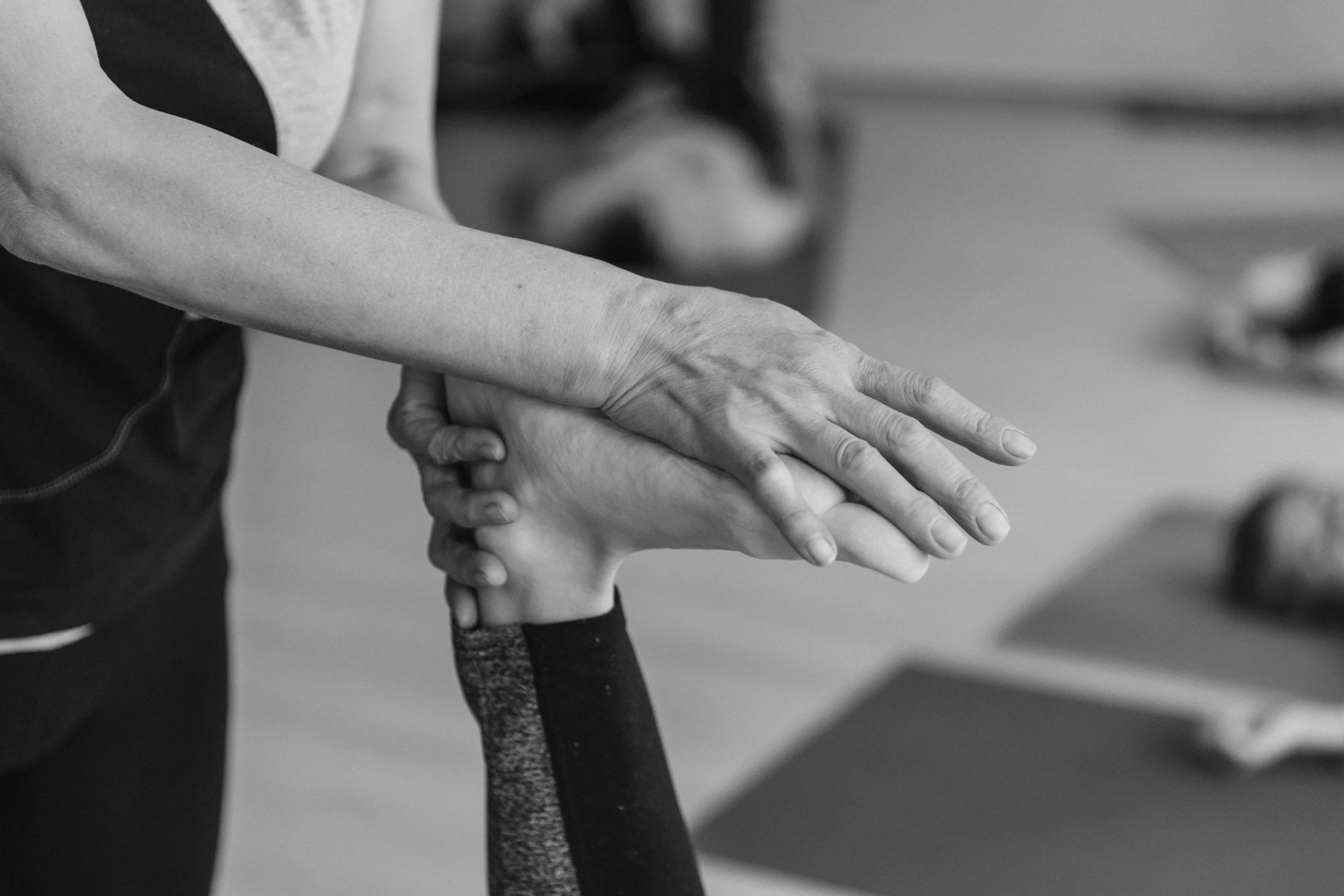
This is a treatment we use our hands to manipulate soft tissues and joints to reduce pain and improve alignment. It works by mechanically mobilizing restricted joints and desensitizing the nervous system, which helps to decrease muscle tension and increase local circulation
-
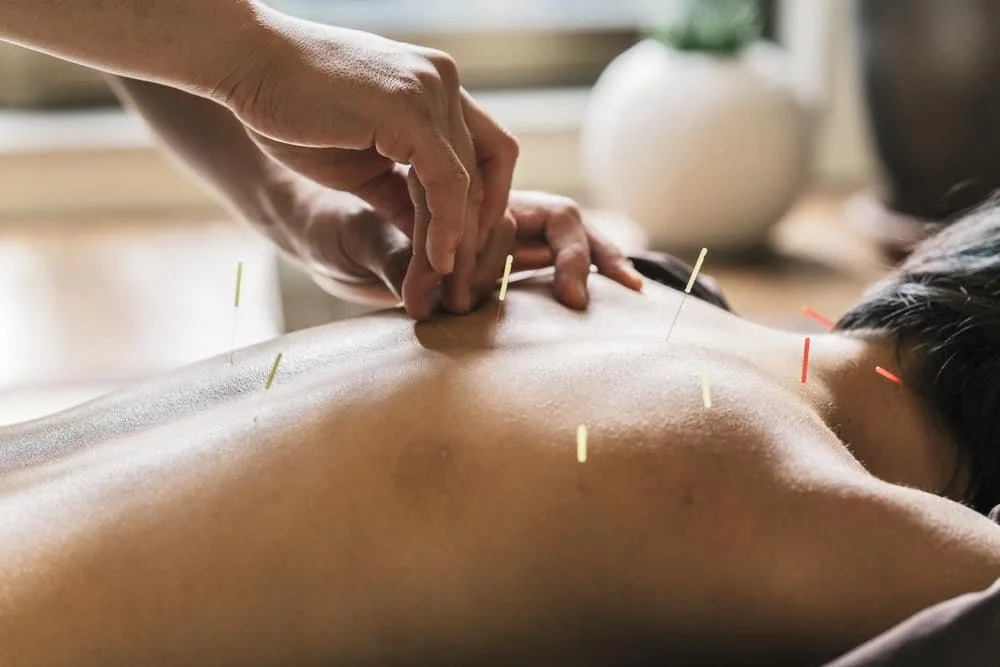
Dry needling is a therapeutic technique involving the insertion of thin, sterile needles into "trigger points" or tight bands of muscle to alleviate pain and restore movement. It works by creating a local twitch response that resets the muscle's electrical activity, increases blood flow, and triggers the body’s natural pain-relieving chemicals.
-
We use specialised cups to create a vacuum on the skin, drawing the underlying tissue upward. It works by expanding blood vessels to increase localised circulation, stretching tight fascia, and stimulating a "micro-trauma" response that prompts the body to accelerate its natural healing process.
-
This technique involves applying specialized adhesive strips to the skin to support joints, stabilize muscles, or reduce swelling. It works by providing external structural reinforcement and subtly lifting the skin to improve lymphatic drainage and change the way the brain perceives pain signals from the injured area.
-
This focuses on preparing the body for injury, surgery, or treatment, and supporting safe, effective recovery afterward.
-
This is the process of designing structured, individualised exercise plans to improve movement, strength, mobility, and overall physical function. Physiotherapists assess a person’s condition, physical capacity, limitations, and goals, then select and progress exercises that support recovery, reduce pain, and prevent further injury.
What We Offer